Introduction
Choosing the right warehouse supplies is important for businesses that handle inventory, packaging, storage, and shipping operations. From packaging materials and storage equipment to material handling products, every supply plays a role in keeping daily warehouse activities organized and efficient.
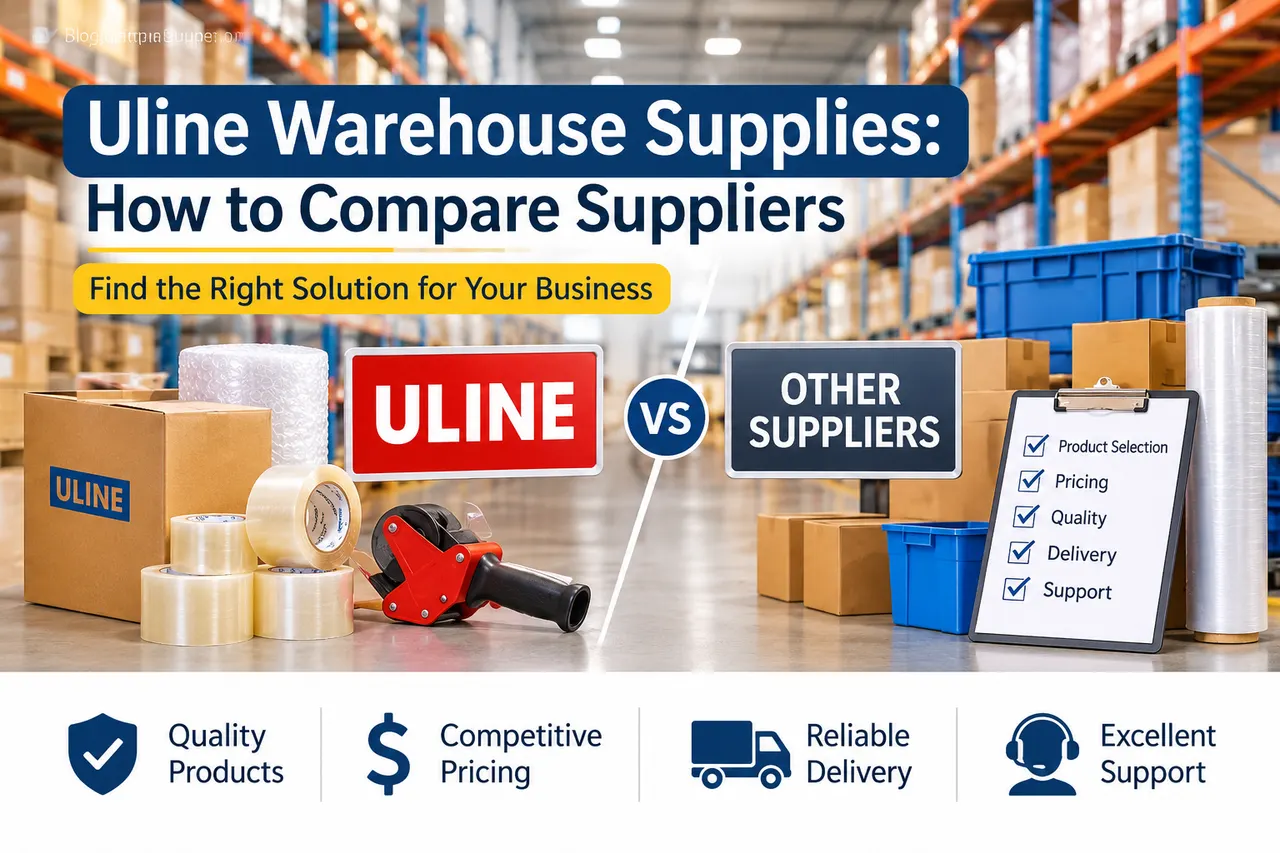
Uline is a recognized supplier of industrial, packaging, and shipping products. However, businesses may also explore other suppliers to compare product options, pricing, availability, and suitability for their operations.
Understanding what to consider when comparing Uline warehouse supplies with other options can help businesses make informed purchasing decisions. In this article, we will explore important warehouse supply categories, factors to compare, and how to select products that support your business requirements
What Are Warehouse Supplies?
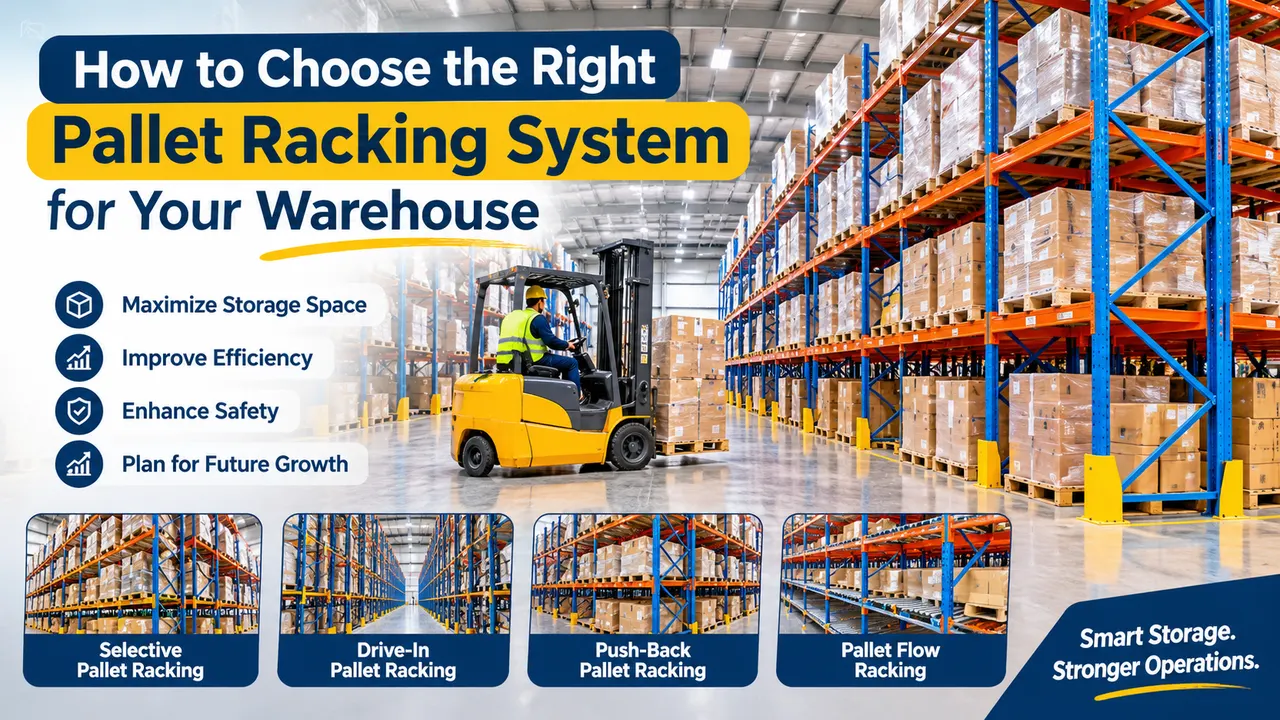
Warehouse supplies include the products, equipment, and materials businesses use to store, organize, handle, package, and ship goods. These supplies help employees manage inventory and prepare products for distribution. The specific requirements depend on warehouse size, product type, storage methods, and daily order volume. Common warehouse supplies include: • Packaging tape and shipping boxes. • Stretch wrap and shrink wrap. • Pallet racks and shelving systems. • Material handling equipment. • Storage containers and bins. • Safety equipment and protective supplies. • Warehouse organization products.
How to Choose the Right Warehouse Supply Provider
Selecting a supplier requires an understanding of your business operations and purchasing requirements. Follow these steps before making a decision: Step 1: Identify Your Requirements Prepare a list of the products your warehouse uses regularly. Separate essential supplies from products needed occasionally. Step 2: Compare Suppliers Research multiple suppliers and compare their product specifications, availability, pricing, and delivery policies. Step 3: Review Product Specifications Check dimensions, load capacities, material details, and compatibility with your existing warehouse equipment. Step 4: Consider Long-Term Requirements Think about future warehouse expansion, changing inventory levels, and increasing order volumes. Step 5: Evaluate Overall Value Consider product quality, delivery reliability, customer support, and maintenance requirements alongside the initial purchase price. A supplier that matches your operational needs can be more valuable than choosing solely based on the lowest price.
Conclusion
Selecting the right warehouse supplies involves more than comparing product prices. Businesses should evaluate product quality, availability, specifications, delivery, and long-term operational requirements. Uline offers a range of packaging, shipping, and warehouse products, but comparing multiple suppliers can help businesses identify options that suit their specific needs. For larger warehouse improvement projects, it is also important to consider storage systems, pallet racking, mezzanines, and material handling requirements. By making informed purchasing decisions and planning warehouse infrastructure carefully, businesses can create more organized and efficient working environments.